Encoder assoluti RESOLUTE™ UHV con riga lineare RSLA30
Funzioni
- Interfacce seriali: BiSS® C, Panasonic
- Dimensioni lettore: 36 x 16,5 x 17,2 mm
- Risoluzioni fino a 1 nm a 100 m/s
- Accuratezza di ±4 µm/m su 5 m a 20 °C
- Coefficiente di espansione termica della riga a 20° C: 10,1 ±0,2 µm/m/°C
Vantaggi
- Riga rigida ad elevata accuratezza
- Ampie tolleranze di impostazione
- Outgassing ridotto per ambienti in vuoto
- Jitter inferiore a 10 nm RMS per una migliore stabilità posizionale
- Errore sottodivisionale di ±40 nm per un controllo ottimale della velocità
- Advanced Diagnostic Tool (opzionale)

Cosa è RESOLUTE UHV?
Con RESOLUTE UHV la tecnologia degli encoder assoluti entra nel mondo delle applicazioni in ultra alto vuoto, per consentire ai clienti di accrescere la produttività, ridurre i rischi e aumentare l'affidabilità.
Le prestazioni di RESOLUTE risultano superiori a qualsiasi altro encoder progettato per ambienti UHV. In grado di offrire una risoluzione di 1 nm e fino a 100 m/s, RESOLUTE offre specifiche innovative nella tecnologia degli encoder.
Cosa è la riga RSLA30?
RSLA30 è una riga rigida in acciaio inossidabile con codice assoluto del passo di 30 µm.
Paragonabile alle righe di vetro a passo fine, garantisce un'accuratezza totale (incluse pendenza e linearità) migliore di ±4 µm su 5 m. Può essere avvolta per occupare meno spazio quando riposta, ma una volta distesa funziona esattamente come una riga rigida.
I progettisti hanno a disposizione due opzioni di montaggio, in base alla loro esigenze: con un biadesivo appositamente formulato oppure con morsetti meccanici. Entrambi i metodi di montaggio consentono un'espansione termica indipendente pari a quella del substrato.
Perché scegliere questo encoder?
Risoluzione dei problemi e manutenzione
Advanced Diagnostic Tool ADTa‑100 acquisisce dati completi in tempo reale dai lettori degli encoder RESOLUTE™ (contrassegnati con il simbolo ADT). Le informazioni vengono visualizzate tramite un'interfaccia utente del software ADT View che risulta molto intuitiva. In molti casi il LED di impostazione integrato nell'encoder risulta sufficiente per una buona installazione, ma ADT può essere utile nelle installazioni più complesse. ADT fornisce anche informazioni sulle prestazioni dell'encoder e contribuisce alla rilevazione dei problemi, evitando lunghi periodi di inattività della macchina.
UHV (Ultra alto vuoto)
RESOLUTE UHV sfrutta la rivoluzionaria tecnologia Renishaw per gli encoder assoluti per dare vita a un lettore utilizzabile in condizioni di ultra alto vuoto, fino a 10 -9 Torr. Gli encoder della nuova gamma RESOLUTE UHV sono costruiti partendo dall'analisi RGA dei gas residui, e ciò li rende adatti per applicazioni scientifiche, con semiconduttori o dove siano richieste prestazioni elevate.
Ampie tolleranze di impostazione
RESOLUTE UHV non utilizza la tecnica convenzionale che prevede l'utilizzo di due tracce affiancate (una incrementale e l'altra assoluta) che producono inevitabilmente problemi di sfasatura in presenza di lievi disallineamenti angolari. Questo encoder assoluto adotta invece una riga ottica assoluta a traccia singola, che combina in un unico codice tutte le informazioni sulla posizione assoluta e sulla fase incrementale. Si tratta di una tecnologia avanzata che permette a RESOLUTE UHV di godere di tolleranze più ampie (tolleranza di imbardata di ±0,5°), per installazioni semplici e rapide, e di una maggiore affidabilità a lungo termine, anche nei casi in cui le strutture si assestino nel corso del tempo. Per semplificare ulteriormente le operazioni di installazione e diagnostica, RESOLUTE™ include un LED di allineamento integrato nel lettore.
Advanced Diagnostic Tool ADTa-100 (opzionale)
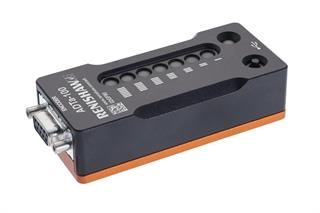
I lettori per encoder RESOLUTE (contrassegnati con il simbolo ADT) sono compatibili con Advanced Diagnostic Tool ADTa-100 e con il software ADT View. Il loro feedback fornisce dati completi in tempo reale, ed è utilissimo per operazioni di installazione e diagnostica, anche nelle situazioni meno agevoli. L'interfaccia software risulta estremamente intuitiva e può essere utilizzata per:
- Calibrazioni remote
- Ottimizzazione del segnale sull'intera lunghezza dell'asse
- Lettura digitale della posizione encoder (in relazione alla riga)
- Esportazione e salvataggio dei dati
- Impostazione dello zero
Interfacce seriali
| Interfacce seriali | Descrizione | Scheda tecnica | Prodotti compatibili |
| BiSS C | Renishaw supporta il protocollo aperto BiSS C (unidirezionale) per gli encoder assoluti. BiSS C è un'interfaccia seriale ad alta velocità che risulta ideale per assi dinamici che richiedono elevate accelerazioni, ottimo controllo della velocità, ripetibilità e stabilità di posizionamento. | ||
Panasonic | RESOLUTE con interfaccia seriale Panasonic è disponibile per applicazioni lineari e rotative. Compatibile con le unità delle serie A5 e A6, garantisce un feedback ripetibile ad alta risoluzione per un migliore controllo del servomotore e della velocità. | RESOLUTE Panasonic | N/D |
Specifiche tecniche
Standard di misura | Riga rigida ad alta accuratezza in acciaio inossidabile, con codice assoluto |
Dimensioni lettore (LxPxH) | 36 mm x 16,5 mm x 14,8 mm |
Passo della riga | Nominale 30 μm |
Coefficiente di espansione termica a 20 °C | 10,1 ±0,2 μm/m/°C |
Grado di accuratezza a 20° C | ±1,5 μm fino a 1 m, ±2,25 μm fino a 2 m, ±3 μm fino a 3 m, ±4 μm fino a 5 m, (include pendenza e linearità). Calibrazione tracciabile a standard internazionali |
Lunghezza della riga | Alcune varianti del protocollo BiSS-C hanno un limite per la lunghezza massima (per ulteriori dettagli, vedere la scheda tecnica) da 80 mm a 5 m |
Velocità massima | (per ulteriori dettagli, vedere la scheda tecnica) Fino a 100 m/s |
Interfacce seriali* | BiSS C, Panasonic |
Risoluzioni | BiSS C: risoluzioni da 50 nm, 5 nm e 1 nm Panasonic: risoluzioni da 100 nm, 50 nm e 1 nm |
Errore sottodivisionale (SDE) | ±40 nm |
Collegamenti elettrici | Cavi di lunghezza fino a 10 m con terminale volante |
Alimentazione elettrica | 5 V ±10%, max 250 mA @ 5 V (con terminazione) |
Vibrazione (in funzione) | 100 m/s2 max da 55 Hz a 2000 Hz |
Urto (non in funzione) | 1000 m/s2, 6 ms, ½ seno |
Temperatura di funzionamento | Da 0 a +75 °C |
Temperatura di bakeout (non operativa) | 120°C |
Protezione | IP30 |
Struttura dei cavi | Schermo singolo a rete in rame argentato Isolamento FEP, su filo in rame stagnato. |
Per informazioni dettagliate, vedere la scheda tecnica.
*Vengono costantemente aggiunte nuove interfacce.